
Many parents who work from home often find it challenging to juggle their professional responsibilities and parenting duties, especially when their children are also at home. Establishing a work-friendly kid routine for your kids can help create a balance between work and family life. A routine can help your children understand when it’s time to focus on schoolwork or play, and when it’s time to give you space to work.

Creating a work-friendly routine for your kids starts with setting clear boundaries and expectations. It’s important to have a designated workspace where you can work without distractions. You can also create a schedule that includes specific times for work, breaks, and family time. By involving your children in the process, you can help them feel included and valued, while also teaching them important time-management skills. With the right routine in place, you can successfully work from home without sacrificing your family time.
Establishing a Dedicated Workspace

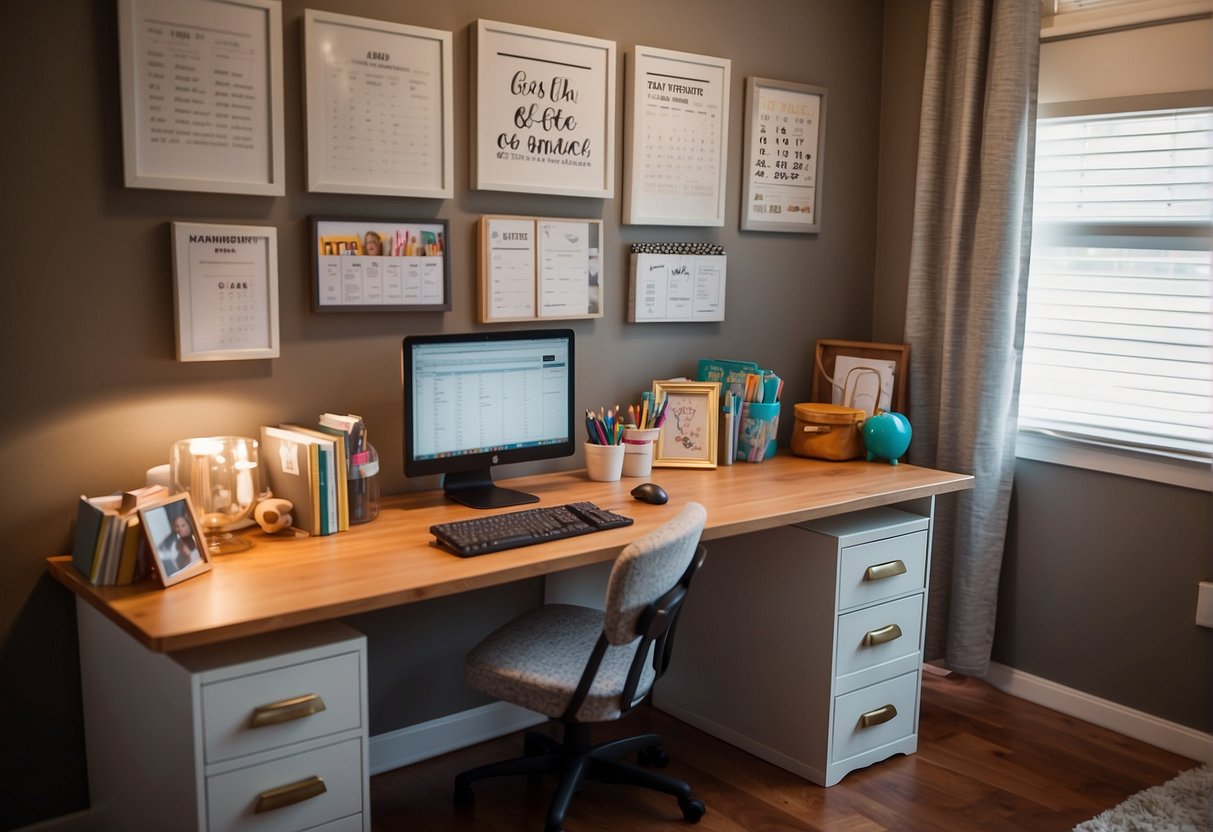
When working from home with children, it is crucial to establish a dedicated workspace to maximize productivity and minimize distractions. Creating a designated workspace helps children understand that when a parent is in that space, they are working and should not be disturbed unless it is urgent. Here are some tips to help you create an ideal workspace for your kids.
Choosing the Right Location
The first step in creating a work-friendly routine for your kids is to choose the right location for your workspace. Ideally, your workspace should be in a quiet area of your home, away from high-traffic areas. A spare bedroom, a basement, or a converted garage can be excellent options for a home office. It is also important to consider natural light when choosing a location. A workspace with plenty of natural light can help improve mood and productivity.
Essential Equipment for Productivity
To create an efficient workspace, it is essential to have the right equipment. A desk, chair, and monitor are the basic necessities for a home office. A comfortable chair and a desk that is the right height can help prevent back pain and other health issues caused by poor posture. A high-quality monitor can also help reduce eye strain and improve productivity.
Ergonomic Furniture for Health and Focus
Ergonomic furniture is essential for maintaining good health and focus when working from home. An ergonomic keyboard and mouse can help prevent repetitive strain injuries, while a standing desk can help reduce the risk of obesity and other health issues caused by prolonged sitting. Investing in ergonomic furniture can help improve your overall health and well-being, leading to increased productivity and better work-life balance.
Creating a dedicated workspace for your kids when you work from home can be challenging, but it is essential for maintaining productivity and minimizing distractions. By choosing the right location, investing in essential equipment, and incorporating ergonomic furniture, you can create a work-friendly routine that works for you and your family.
Creating a Structured Daily Routine

When working from home with kids, having a structured daily routine is essential to maintain productivity and balance. A routine helps children understand what to expect during the day and creates a sense of stability and predictability. Here are some tips for creating a structured daily routine.
Setting a Consistent Wake-Up Time
Setting a consistent wake-up time is crucial in establishing a routine. Children should wake up at the same time every day, even on weekends. This helps regulate their body clock and ensures they are well-rested and ready for the day ahead. Parents should also ensure that their children get enough sleep, as sleep deprivation can affect their mood, behavior, and ability to learn.
Designing a Morning Routine
A morning routine helps children start the day on the right foot. It should include activities such as brushing teeth, getting dressed, and having breakfast. Parents can also incorporate some exercise or mindfulness activities to help their children energize and focus for the day ahead. A morning routine should be designed to be achievable and enjoyable for the children.
Integrating School and Work Schedules
Parents who work from home should integrate their work schedule with their children’s school schedule. They should plan their work hours around their children’s school hours and ensure that their children have a designated study time. This helps children understand that work and school are both important and that they need to balance them. Parents can also use this time to catch up on their own work or take a break.
In conclusion, creating a structured daily work-friendly kid routine is essential when working from home. It helps maintain productivity, balance, and stability. By setting a consistent wake-up time, designing a morning routine, and integrating school and work schedules, parents can establish a routine that works for their family.
Incorporating Breaks and Physical Activity

When working from home with kids, it’s important to incorporate regular breaks and physical activity into your routine. This not only helps keep your kids energized and focused, but also promotes their overall health and well-being. Here are some tips for incorporating breaks and physical activity into your work-friendly kid routine.
Scheduling Regular Breaks
One of the keys to maintaining a productive and healthy work-from-home routine for your kids is to schedule regular breaks throughout the day. This can be as simple as taking a 10-minute break every hour to stretch, walk around, or get some fresh air. You can also schedule longer breaks for meals or outdoor activities.
Exercise and Movement for Kids
Regular exercise and movement are important for your kids’ physical health and mental well-being. There are many ways to incorporate exercise and movement into your work-friendly kid routine, such as:
- Encouraging your kids to take short walks or bike rides during breaks
- Setting up a mini trampoline or exercise ball for your kids to use during breaks
- Doing simple yoga or stretching exercises together as a family
- Playing active games, such as tag or hide-and-seek, during breaks
Family Fitness and Fun
In addition to incorporating physical activity into your kids’ daily routine, consider making it a family affair. Plan regular family fitness activities, such as hiking, biking, or swimming, to get everyone moving and enjoying the outdoors together. You can also try fun indoor activities, such as dance parties or fitness challenges, to keep everyone active and engaged.
Overall, incorporating breaks and physical activity into your work-friendly kid routine is essential for your kids’ health and well-being. By scheduling regular breaks, encouraging exercise and movement, and making fitness a family affair, you can help your kids stay energized, focused, and healthy while you work from home.
Managing Distractions and Setting Boundaries

When working from home with kids around, managing distractions and setting boundaries is crucial to maintaining productivity. Here are some tips for creating a work-friendly kid routine that minimizes distractions and sets clear boundaries.
Ground Rules for Family Members
Establishing ground rules for family members is an important step in creating a work-friendly kid routine. Make sure everyone in the household understands that when you are working, interruptions should be kept to a minimum. Setting designated times for breaks and lunch can help ensure that family members know when it’s okay to approach you.
Minimizing Digital Distractions
Digital distractions can be a major obstacle to productivity when working from home. To minimize these distractions, consider turning off notifications on your phone and computer during work hours. You can also use apps and browser extensions that block distracting websites and social media.
Creating Zones for Concentration
Creating zones for concentration can help you and your kids stay focused during work hours. Designate a specific area in your home as your workspace, and make sure your kids understand that this area is off-limits during work hours. You can also create a separate area for your kids to do their own work or play, so they are less likely to interrupt you.
By implementing these strategies, you can create a work-friendly kid routine that minimizes distractions and sets clear boundaries for family members. With a little planning and communication, you and your kids can work together to create a productive and harmonious home work environment.
Encouraging Autonomy and Responsibility
Parents who work from home often struggle to balance their responsibilities with their children’s needs. One way to address this challenge is by encouraging autonomy and responsibility in your kids. This can help them develop a sense of ownership over their tasks and goals, which can lead to increased motivation and productivity.
Age-Appropriate Tasks and Goals
When assigning tasks and goals to your children, it’s important to consider their age and abilities. Younger children may need more guidance and direction, while older children may be able to handle more complex tasks. By setting age-appropriate goals and tasks, you can help your children build confidence and a sense of accomplishment.
Teaching Time Management Skills
Time management is a critical skill for anyone, but it’s especially important for children who are learning to balance schoolwork, chores, and other activities. By teaching your children time management skills, such as creating a to-do list or prioritizing tasks, you can help them become more efficient and productive.
Rewarding Independence and Effort
Finally, it’s important to recognize and reward your children’s efforts and independence. This can help reinforce positive behaviors and encourage your children to take ownership of their tasks and goals. Consider offering praise, incentives, or rewards for completing tasks or achieving goals. This can help your children stay motivated and focused, even when you’re not there to supervise them.
Overall, encouraging autonomy and responsibility in your children can help them develop important life skills and become more self-sufficient. By setting age-appropriate goals and tasks, teaching time management skills, and rewarding independence and effort, you can help your children thrive while you work from home.
Leveraging Technology for Education and Collaboration

Working from home with kids can be challenging, but with the right use of technology, it can be made easier. Here are some ways to leverage technology for education and collaboration.
Educational Software and Resources
There are a variety of educational software and resources available online that can help kids learn and stay engaged. Some popular options include Khan Academy, Duolingo, and Quizlet. These resources can be used to supplement schoolwork or to provide additional learning opportunities.
Parents can also use educational software to track their child’s progress and identify areas where they may need additional support. This can help parents tailor their child’s learning experience to their individual needs.
Effective Use of Video Conferencing
Video conferencing can be an effective tool for remote collaboration and learning. Parents can use video conferencing to connect with teachers, tutors, and other parents to discuss their child’s progress and share resources.
Kids can also use video conferencing to stay connected with their peers. This can be especially important for social interaction and to prevent feelings of isolation.
Staying Connected with School and Peers
Messaging apps and social media platforms can be used to stay connected with school and peers. Parents can use messaging apps to communicate with teachers and other parents, while kids can use social media platforms to stay connected with their friends.
It’s important to establish guidelines for the use of messaging apps and social media platforms, such as limiting screen time and monitoring online activity. This can help ensure that kids are using technology in a safe and responsible manner.
Overall, leveraging technology can be a powerful tool for creating a work-friendly routine for kids when working from home. By using educational software and resources, effective video conferencing, and staying connected with school and peers, parents can help their kids stay engaged and productive.
Maintaining Mental and Emotional Well-being

When working from home with kids, it can be challenging to maintain mental and emotional well-being. Here are some strategies to help reduce stress and promote a positive work-life balance.
Strategies to Reduce Stress and Overwhelm
Stress and overwhelm can be common when juggling work and kids. To reduce stress, it’s important to prioritize tasks and set realistic expectations. Make a to-do list and focus on completing the most important tasks first. Take breaks throughout the day to recharge and avoid burnout. Deep breathing exercises or meditation can also help to reduce stress and increase focus.
Promoting a Positive Work-Life Balance
Maintaining a positive work-life balance is crucial for mental and emotional well-being. Set boundaries between work and personal time. Create a designated workspace and establish a routine to help separate work from home life. Communicate with colleagues and family members about your work schedule and availability. Encourage kids to participate in activities that promote joy and relaxation.
The Importance of Personal Time and Space
Personal time and space are essential for mental health and well-being. Encourage kids to engage in independent activities while you work. This can include reading, drawing, or playing outside. Take breaks throughout the day to engage in activities that bring you joy and relaxation. This can include exercise, reading, or spending time with loved ones.
In conclusion, maintaining mental and emotional well-being while working from home with kids requires intentional effort. Prioritizing tasks, setting boundaries, and creating personal time and space can help to reduce stress and promote a positive work-life balance.
Leave a Reply