
As the allure of podcasting grows, an increasing number of moms are eager to launch their personal podcasts right from their homes. Nevertheless, juggling the extensive demands of podcast production can be daunting and exhausting, potentially leading to discouragement. This is precisely where “The Balancing Act: A Mom’s Complete Guide to Podcasting from Home” steps in, offering a comprehensive resource to navigate through the complexities with ease.

This comprehensive guide provides step-by-step instructions on how to edit a podcast, from removing background noise to adding in music and sound effects. It also offers tips and tricks for streamlining the editing process, allowing busy moms to balance their podcasting endeavors with their other responsibilities.
Whether you’re a seasoned podcaster or just starting out, “The Balancing Act” has something to offer. With its clear and concise instructions, even those with little to no editing experience can create a professional-sounding podcast from home. So, if you’re a mom looking to break into the world of podcasting, this guide is a must-read.
Setting Up Your Home Podcast Studio

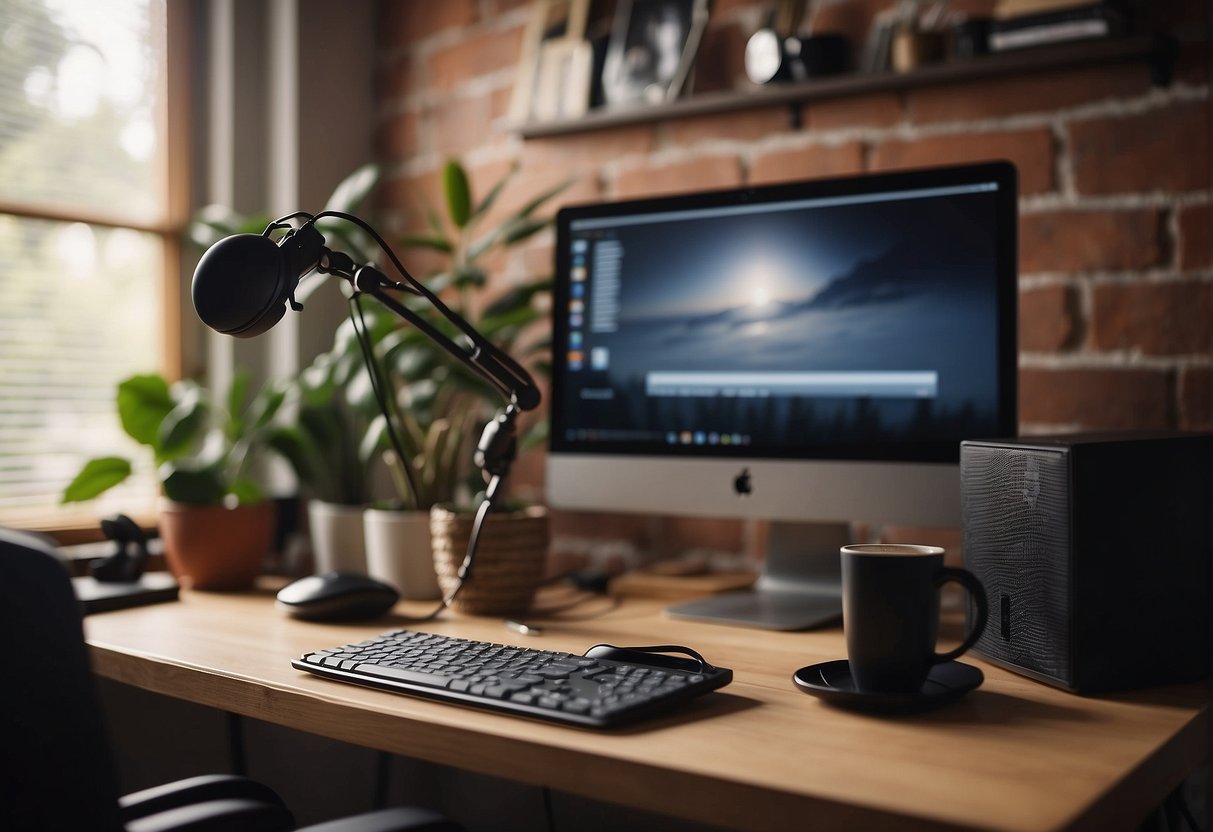
Setting up a home podcast studio can be a daunting task, but with the right equipment and environment, it can be a breeze. In this section, we will cover the essential aspects of creating a professional-sounding podcast studio at home.
Choosing the Right Equipment
The first step in setting up a home podcast studio is choosing the right equipment. A good microphone is essential for producing high-quality audio. There are many different types of microphones available, but the most popular ones for podcasting are condenser and dynamic microphones. Condenser microphones are more sensitive and provide a more detailed sound, while dynamic microphones are more rugged and better suited for recording in noisy environments.
In addition to a microphone, you will also need a computer, audio interface, headphones, and recording software. A good audio interface will allow you to connect your microphone to your computer and provide a clean signal for recording. Headphones are important for monitoring your audio and ensuring that it sounds good. There are many different recording software options available, but some of the most popular ones include Audacity, GarageBand, and Adobe Audition.
Creating a Sound-Proof Environment
Once you have your equipment, the next step is creating a sound-proof environment. This is important because it will help eliminate any unwanted background noise and ensure that your audio sounds professional. Some simple ways to create a sound-proof environment include:
- Choosing a quiet room in your home that is away from any noisy appliances or traffic.
- Using sound-absorbing materials such as acoustic foam or blankets to reduce echo and reverberation.
- Closing windows and doors to minimize outside noise.
- Using a pop filter to reduce any popping or hissing sounds from your microphone.
It is also important to consider your family and their activities while recording. Let them know when you will be recording and ask them to avoid making noise during that time. You may also want to consider using a sign or indicator to let them know when you are recording.
By following these tips, you can create a professional-sounding podcast studio at home. With the right equipment and environment, you can produce high-quality audio that will engage and entertain your listeners.
The Art of Balancing Motherhood and Podcasting

Being a mom and a podcaster can be a challenging combination. Juggling the demands of motherhood while also trying to produce a high-quality podcast requires excellent time management skills, setting boundaries with family, and a willingness to be flexible. In this section, we’ll explore some strategies for balancing motherhood and podcasting.
Time Management Strategies
One of the most critical aspects of balancing motherhood and podcasting is time management. Moms who podcast need to be able to make the most of their time and stay organized. Here are a few time management strategies that can help:
- Create a schedule: Set aside specific times for podcasting, and stick to them as much as possible. Make sure to also schedule time for family activities and other important tasks.
- Prioritize tasks: Identify the most important tasks and focus on them first. This will help ensure that you’re making progress on your podcast while also taking care of your family.
- Use productivity tools: There are many productivity tools available that can help you stay organized and focused. Consider using a to-do list app, a time tracking app, or a project management tool to help you manage your time more effectively.
Setting Boundaries With Family
Another critical aspect of balancing motherhood and podcasting is setting boundaries with family members. It’s essential to communicate your needs and expectations clearly so that everyone is on the same page. Here are a few tips for setting boundaries:
- Communicate your schedule: Let your family members know when you’ll be podcasting and ask them to respect your schedule. Make sure to also communicate when you’ll be available for family activities.
- Set expectations: Be clear about what you need from your family members. For example, you may need them to keep the noise level down while you’re recording or to help with household tasks while you’re working on your podcast.
- Be flexible: While it’s essential to set boundaries, it’s also important to be flexible. Sometimes unexpected things happen, and you may need to adjust your schedule or expectations. By being flexible, you can better manage the demands of motherhood and podcasting.
In conclusion, balancing motherhood and podcasting requires excellent time management skills, setting boundaries with family, and a willingness to be flexible. By following these strategies, moms can produce high-quality podcasts while also taking care of their families.
Podcast Editing Techniques

When it comes to podcast editing, there are some basic skills and advanced tools that can help you create a polished and professional-sounding podcast. Here are some techniques to help you get started:
Basic Editing Skills
- Trimming and Cutting: One of the most basic editing skills is trimming and cutting. This involves removing any unwanted parts of the conversation, such as long pauses or mistakes. It’s important to make sure the conversation flows smoothly and stays on topic.
- Volume Leveling: Another important skill is volume leveling. This involves adjusting the volume of each speaker so that they are all at a similar level. This helps to avoid any jarring transitions between speakers and ensures that the listener can hear everything clearly.
- Adding Music and Sound Effects: Adding music and sound effects can help to enhance the listening experience and make the podcast more engaging. It’s important to choose music and sound effects that fit with the tone and emotions of the conversation.
Advanced Editing Tools
- Noise Reduction: Noise reduction tools can help to remove any background noise or unwanted sounds from the recording. This can be particularly useful if you are recording in a noisy environment or if there are any technical issues with the recording.
- Equalization: Equalization tools can help to adjust the frequency balance of the recording. This can be useful for enhancing the clarity of the conversation or for making certain sounds stand out more.
- Compression: Compression tools can help to even out the volume of the recording. This can be useful for making sure that the quieter parts of the conversation are still audible and for preventing any clipping or distortion.
Overall, podcast editing requires a combination of technical skills and creative decision-making. By mastering these basic skills and advanced tools, you can create a professional-sounding podcast that engages listeners and conveys the emotions and tone of the conversation.
Promoting Your Podcast

Once you have edited your podcast and are ready to share it with the world, it’s important to promote it effectively to ensure maximum reach and engagement. Here are a few ways to promote your podcast:
Leveraging Social Media
Social media platforms like Twitter, Facebook, and Instagram are great places to promote your podcast. Create social media accounts specifically for your podcast and share your episodes on these platforms. You can also create short video teasers of your episodes to generate interest and share them on social media.
Another effective way to promote your podcast on social media is to engage with your listeners. Respond to their comments and feedback, and ask them to share your podcast with their friends and followers. This will help you expand your reach and attract new listeners.
Networking and Collaboration
Networking and collaboration with other podcasters can also help you promote your podcast. Attend podcasting events and conferences to meet other podcasters and industry experts. This will help you build relationships and learn new tips and tricks for promoting your podcast.
You can also collaborate with other podcasters by featuring them as guests on your show or appearing as a guest on their show. This will help you reach new audiences and attract new listeners to your podcast.
In conclusion, promoting your podcast is essential to its success. By leveraging social media and networking and collaboration, you can increase your reach and attract new listeners to your podcast.
Interview Skills for Engaging Content

When it comes to podcast editing, conducting meaningful conversations is essential for producing engaging content. The host’s ability to ask the right questions and lead the conversation can make or break the episode’s success. Here are some interview skills that can help create engaging content for your podcast.
Conducting Meaningful Conversations
Asking open-ended questions is a great way to start a conversation and encourage guests to share their thoughts and experiences. It is also important to listen actively to what the guest is saying and respond with follow-up questions or comments. This not only shows the guest that you are interested in what they have to say but can also lead to unexpected and interesting conversations.
Another essential skill for conducting meaningful conversations is to research the guest and their background beforehand. This can help you come up with relevant questions and topics to discuss, and also shows the guest that you have taken the time to learn about them.
Handling Vulnerable Topics
Sometimes, guests may share vulnerable or sensitive information during the interview. As a podcast host, it is important to handle these topics with care and respect. One way to do this is by asking for the guest’s permission before discussing sensitive topics and ensuring that they are comfortable with the conversation.
It is also important to create a safe and supportive environment for the guest to share their experiences. This can be achieved by actively listening, showing empathy, and avoiding judgement or criticism.
In summary, conducting meaningful conversations and handling vulnerable topics are essential skills for producing engaging content on your podcast. By asking open-ended questions, actively listening, and creating a supportive environment, you can create a space for interesting and thought-provoking conversations with your guests.
Managing Personal Well-being

As a mom who works from home, it can be challenging to balance work and personal life. It’s easy to get caught up in the demands of work and neglect personal well-being. However, taking care of yourself is crucial to being productive and effective in your work. Here are some tips for managing personal well-being while editing podcasts from home.
Dealing with Mom Guilt
Mom guilt is a common feeling among working moms, and it can be especially challenging when working from home. It’s easy to feel like you’re neglecting your kids or not giving them enough attention. However, it’s important to remember that taking care of yourself is also taking care of your family.
One way to deal with mom guilt is to set boundaries. Create a schedule that allows you to work and spend time with your family. Stick to your schedule and avoid working outside of your designated work hours. This will help you be present with your family and feel less guilty about working.
Another way to deal with mom guilt is to involve your kids in your work. Let them help you with small tasks or listen to your podcast episodes. This will help them feel included and give you some quality time with them.
Self-Care and Mental Health
Self-care is essential for personal well-being, especially when working from home. Make sure to take breaks throughout the day to stretch, exercise, or do something you enjoy. This will help you stay focused and energized throughout the day.
Mental health is also crucial for personal well-being. Working from home can be isolating, so make sure to stay connected with friends and family. Join a support group or talk to a therapist if needed. Additionally, practicing mindfulness and meditation can help reduce stress and improve mental health.
In conclusion, managing personal well-being is crucial for working moms who edit podcasts from home. By dealing with mom guilt, practicing self-care, and taking care of mental health, you can be productive and effective in your work while also taking care of yourself and your family.
Monetizing Your Podcast
Once you have established a solid listener base, it’s time to start thinking about monetizing your podcast. There are several ways to do this, including finding sponsors and advertisers, as well as merchandising and product design.
Finding Sponsors and Advertisers
One of the most popular ways to monetize a podcast is through sponsorships and advertisements. This involves partnering with a company or brand that is relevant to your podcast’s content and audience, and featuring their product or service in your episodes.
To find sponsors and advertisers, start by researching companies that align with your podcast’s niche and target demographic. Reach out to them with a pitch that highlights the benefits of sponsoring your podcast, such as increased brand exposure and access to a loyal audience.
It’s important to disclose sponsored content to your listeners and follow ethical guidelines to maintain transparency and trust with your audience.
Merchandising and Product Design
Another way to monetize your podcast is through merchandising and product design. This involves creating and selling merchandise, such as t-shirts, mugs, or other items that feature your podcast’s branding or catchphrases.
To get started with merchandising, consider partnering with a print-on-demand service that can handle the production and shipping of your products. You can also create custom designs or collaborate with artists to create unique merchandise that resonates with your audience.
Product design is another option, where you can create and sell a physical or digital product that aligns with your podcast’s content. This could be anything from a book or course to a software tool or app.
Overall, monetizing your podcast requires a strategic approach and a deep understanding of your audience and niche. By exploring different monetization methods and experimenting with what works best for your podcast, you can turn your passion project into a profitable career.
Building a Supportive Community

As a mom who edits podcasts from home, building a supportive community is essential. It can provide a sense of belonging, help you stay motivated, and offer you valuable advice and feedback. Here are two ways to build a supportive community:
Connecting with Listeners
One of the best ways to build a supportive community is by connecting with your listeners. Encourage them to leave feedback, ask questions, and share their thoughts on your podcast. You can also create a private Facebook group or a Discord server where listeners can connect with each other and share their experiences.
By connecting with your listeners, you can get a better understanding of what they want to hear, what they like about your podcast, and what they think needs improvement. This feedback can help you refine your editing skills and create better content.
Finding a Mentor or Role Model
Another way to build a supportive community is by finding a mentor or role model. Look for someone who has experience in podcast editing and is willing to share their knowledge with you. You can find a mentor through online communities, social media, or local meetups.
A mentor can provide you with valuable advice, feedback, and support. They can help you improve your editing skills, teach you new techniques, and offer you guidance on how to grow your podcast. Additionally, having a role model can provide you with inspiration and motivation to keep going.
In conclusion, building a supportive community is crucial for moms who edit podcasts from home. By connecting with your listeners and finding a mentor or role model, you can get the support and guidance you need to succeed.
Leave a Reply